

A mental dip: Winter edition
Did you know that …
3 out of every 100 people in the Netherlands experience symptoms of seasonal affective disorder (SAD) or winter depression .
SAD can also occur during the spring and summer, known as summer-pattern SAD or summer depression. For more on the symptoms, check here. Whether it is winter or summer depression, consult your huisarts (GP) if these symptoms consistently disrupt your daily life.
Light therapy is often effective for winter depression, but it should not be used without consulting to your huisarts (GP), as it can disrupt your biological clock. The same applies to taking melatonin.
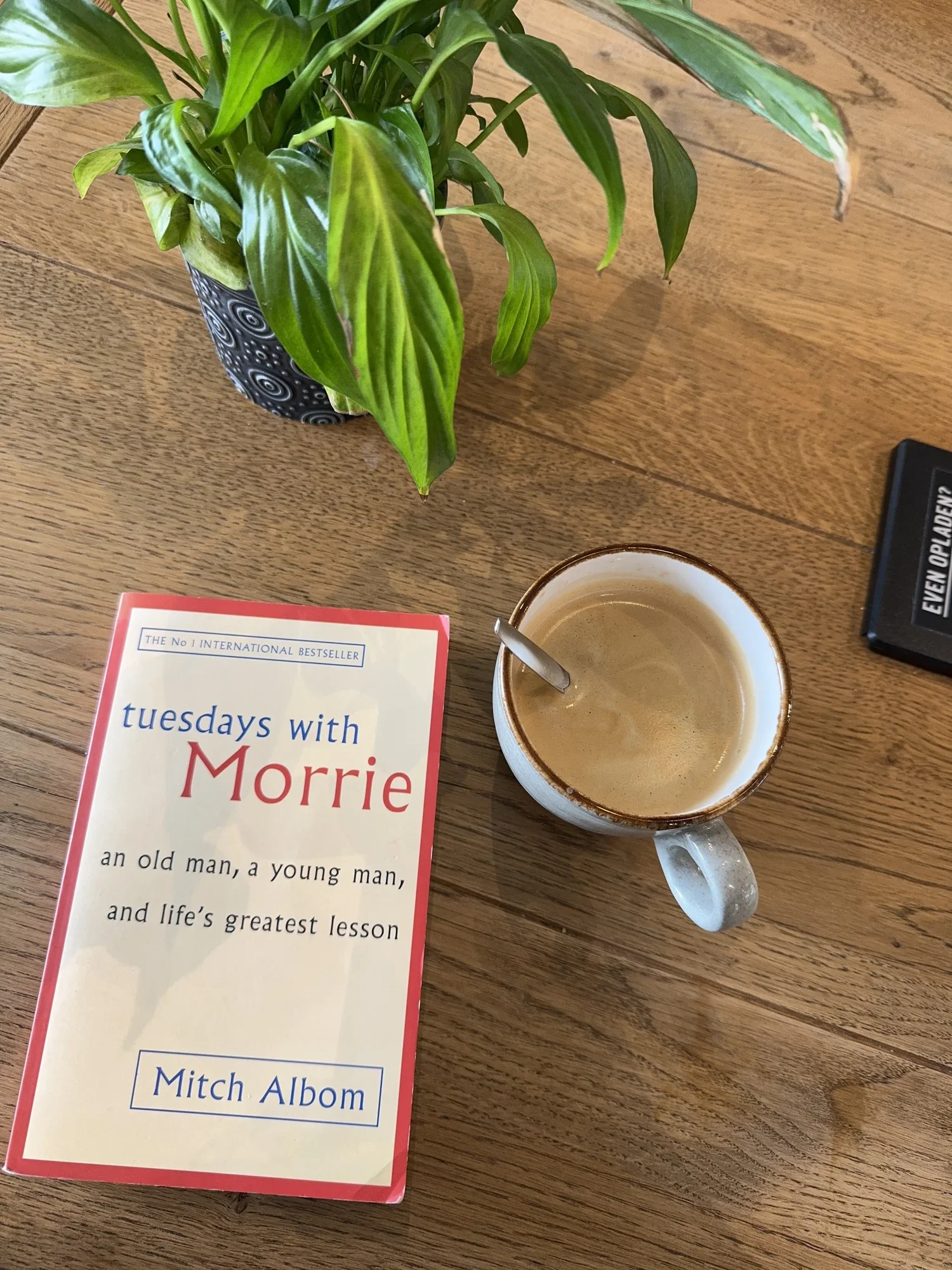
Finding Meaning Across Borders: Lessons from "Tuesdays with Morrie"
As an expat, navigating life in a new country often brings unique challenges and profound experiences. Recently, I reread Mitch Albom's "Tuesdays with Morrie," and it struck me how Morrie Schwartz’s wisdom can resonate deeply with those of us living far from our homeland.
Here are a few lessons that particularly stood out…

Sıkı can iyidir çabuk çıkmaz… mı gerçekten?
Hadi bugün okulları gezelim birlikte. Okulla ilgili can sıkıntıları neymiş öğrencilere soralım, kendi can sıkıntılarımızı sorgulamadan önce. Hazırsanız 1700 okuldaki 500.000 öğrenciyi gözlemlemeye ve onlardan veri toplamaya gidiyoruz.

Davranış değişikliğinin kolay yolu
Kendi sürükleye sürükleye oturttun sandalyeye. Masada inatla ve kararlıklıkla seni bekleyen işler, ödevler. ‘’Madem oturdum başlayayım hiç olmazsa’’ diyorsun. Aradan geçen birkaç dakikada düşüncelerin bir oraya bir buraya uçuşmaya başladılar bile. Kelimeler zihninin duvarlarında yakar top oynuyor. Onlar özgür, sen sıkıldın. Uykun gelmeye başladı. Hafta sonu arkadaşlarınla buluştuğunda neler yapacağını düşünüyorsun. Geçen hafta çok güldüğün bir espri geliyor aklına. Gülümsediğini fark edince silkeleniyorsun. On dakika geçmiş aradan, daha ikinci paragraftasın.
Sahi ya, ilk paragrafta tam olarak ne okumuştun?

Hepimiz birer narsistiz!
“Hepimiz birer narsistiz!”
Bu söylediğime biraz içerlediyseniz belki siz narsisizm oranı düşük olanlardansınız. Çünkü gerçek Narcissus’lar bu yazdıklarımı okuduklarında çenelerini hafifçe yukarı kaldırdılar, göğüslerini kabarttılar, gülümsediler ve kendileri ile bir kez daha gurur duydular.

SQ4R: Okuduğunu aklında tutabilme yöntemi
“Okuyorum okuyorum, sanki aklımda çok azı kalıyor okuduklarımın.” Yine böyle bir sorgulama seansında şunu soruyor The New York Times yazarı James Collins kendine: “Tamam da, bu kitabı okumamın anlamı neydi öyleyse?” Sonra devam ediyor: “Evet ben bu kitabı okurken gerçekten de çok keyif aldım ama sonuçta bu keyif bende geçici bir duygu durum. Ben okuduğum kitaptan yalnızca keyif almak değil, bir şeyler de öğrenmek istiyorum. Okumak beni değiştirmeli. Ancak okuduklarımın içeriğini aklımda tutamayacaksam nasıl olacak bu iş?”

You seek it, too: Social comparison information
Some concepts in psychology never get old. Instead, they grow stronger. Social comparison — comparisons we make with other people — is one of such concepts.
Imagine all the thoughts that pass through an adult’s mind in an ordinary day. Of all those thoughts, 7.1% is social comparisons, a study shows. Similarly, my colleagues and I found in a study that social comparisons are also frequent in daily lives of adolescents.
But why are we so wrapped up in making social comparisons?

A must-have for children? Social and emotional skills: Part 2/2
In a previous blog post, we talked about what social and emotional skills entail, the problem with these skills, and a cool project that set out to address it. In this post, I would like to share my experiences in how social-and-emotional-skill trainings are typically delivered to youth.
But first comes a critical question:
A must-have for children? Social and emotional skills: Part 1/2
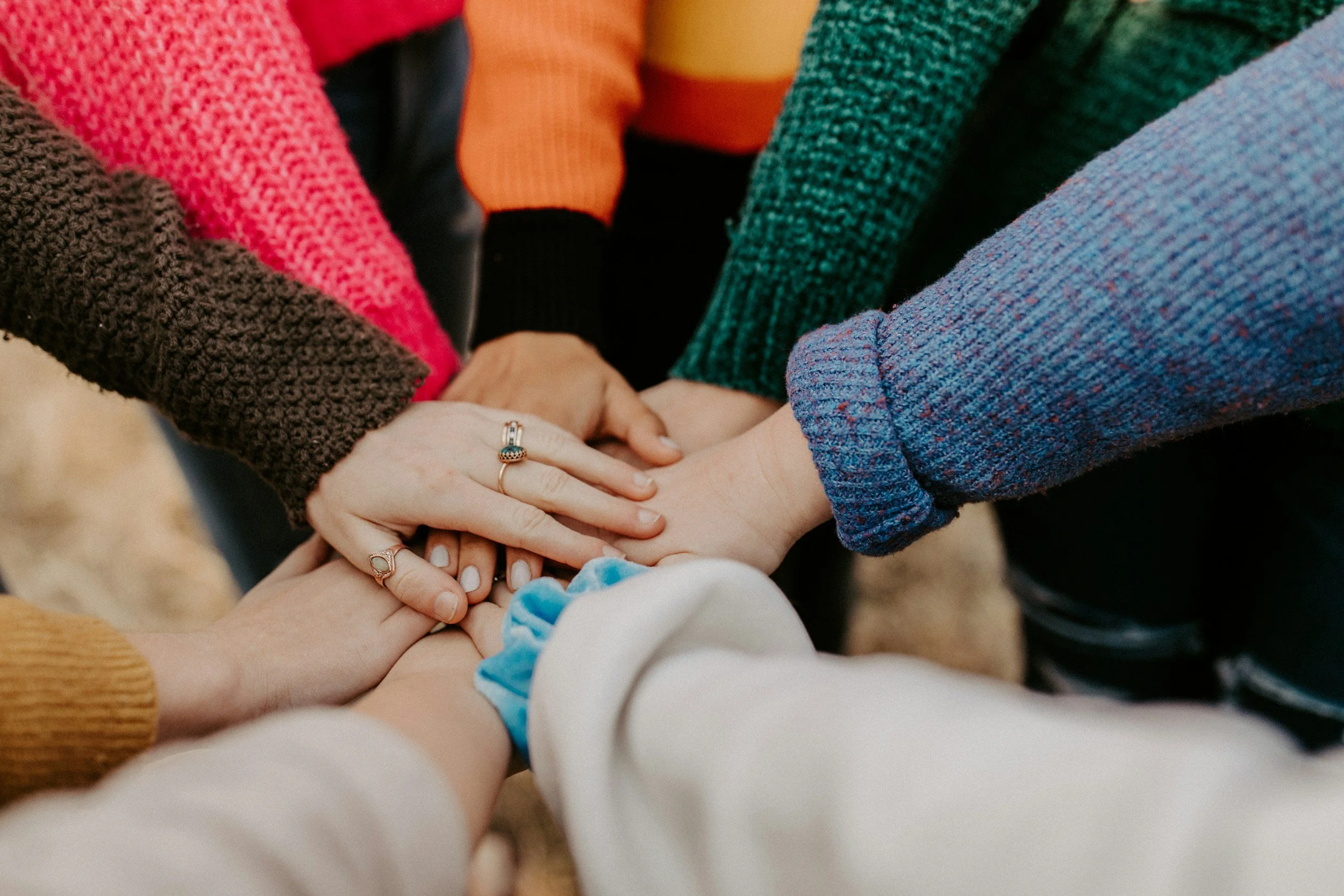
In a typical school day, interaction with peers takes a great portion of the day. Such interactions are essential for the development of social and emotional skills especially from early childhood onward. In fact, positive peer relationships provide children with a context where they could learn and develop their skills in self-awareness, communication, negotiation, assertiveness, perspective taking, and problem solving. We call such skills social and emotional skills.
“Social and emotional skills is an “umbrella term” involving a variety of skills that are connected and build on to each other.”